
The Thrill of Risk
One of the most compelling aspects of gambling is the thrill that comes from taking risks. This excitement is deeply embedded in human psychology, as many individuals are naturally drawn to activities that involve uncertainty, including the use of betting apps that enhance their gaming experience. The prospect of winning big can create a rush of adrenaline, making the experience exhilarating. This sense of thrill often overshadows the potential for loss, leading players to focus more on the positive outcomes rather than the risks involved. As a result, the allure of gambling can become a powerful motivator, driving individuals back to the gaming table time and again.
The psychological concept of ‘loss aversion’ plays a significant role in how people perceive gambling. Research indicates that the fear of losing is a more powerful motivator than the promise of winning. This can create a paradox where the desire to chase losses leads players back to the gambling table, further entrenching them in a cycle of play. Individuals may rationalize their losses or convince themselves that a win is just around the corner, perpetuating their involvement. This cognitive dissonance between the desire to win and the reality of losses can be a constant source of tension for many gamblers.
Moreover, the social aspect of gambling cannot be overlooked. Many people find joy in the social interactions that accompany gambling environments, whether in casinos or online platforms. The communal experience of celebrating wins or commiserating over losses fosters a sense of belonging among players, enhancing the thrill of the game. This social reinforcement can make the gambling experience more appealing, leading people to return not just for financial gain but for social connection. As a result, the combination of risk, excitement, and social engagement creates a potent mix that fuels the attraction to gambling.
The Role of Cognitive Biases
Cognitive biases heavily influence gambling behavior, shaping how individuals interpret events and outcomes. One particularly relevant bias is the ‘gambler’s fallacy,’ where individuals believe that past events can influence future outcomes. For example, if a player has observed a specific number come up several times in a roulette game, they may mistakenly believe that it is ‘due’ to appear again, despite the odds remaining unchanged. This fallacy can lead to poor decision-making and an overestimation of their chances of winning, ultimately resulting in significant losses.
Another significant bias is confirmation bias, where individuals seek information that supports their existing beliefs while dismissing contradictory evidence. For gamblers, this might manifest as selectively remembering successful outcomes while forgetting the losses. This skewed perception can create a false sense of skill or control over the game, reinforcing the behavior and encouraging further gambling. Consequently, it becomes a cycle where the excitement of a win, however infrequent, overshadows the reality of the losses incurred, leading players deeper into gambling habits.

Additionally, the availability heuristic can affect how people perceive the frequency of wins and losses. When players hear success stories or see flashy advertisements showcasing big wins, they may overestimate the likelihood of those outcomes for themselves. This can perpetuate a belief that they are more likely to succeed than they actually are, fueling continued participation in gambling activities. Understanding these cognitive biases is crucial for appreciating why individuals may become ensnared in gambling behaviors, even when they face potential negative consequences.
The Emotional High and Low
The emotional journey experienced during gambling can be intense, oscillating between euphoric highs and devastating lows. Winning induces a rush of happiness, often described as a euphoric high that can be highly addictive. The brain releases dopamine, a neurotransmitter associated with pleasure, driving individuals to seek that feeling repeatedly. This biochemical response reinforces gambling behavior, as the brain starts to associate the act of betting with positive emotional experiences. As a result, many players find themselves returning to gambling in search of that elusive high, sometimes at the expense of their well-being.
Conversely, the lows that accompany losing can lead to feelings of frustration, disappointment, and even despair. However, for many, these negative emotions can serve as motivation to gamble again, often with the hope of recouping their losses. This behavior creates a dangerous cycle, as players seek the emotional comfort of winning to counterbalance the pain of a loss. The concept of ‘chasing losses’ illustrates how deeply emotions are intertwined with gambling behavior, often leading to continued engagement in unhealthy patterns. It emphasizes the need for understanding the emotional stakes involved in gambling and their impact on decision-making.
The emotional stakes involved in gambling also play a crucial role in decision-making. Players often engage in cognitive dissonance, where their beliefs about gambling conflict with their experiences. This mental discomfort can lead them to justify their actions or downplay the risks associated with their behavior. By understanding the emotional dynamics at play, we can better grasp why individuals continue to gamble, even when it may not align with their long-term interests. This complex interplay of emotions and rationalizations underscores the need for greater awareness of gambling’s psychological impact.
Social Influences and Cultural Context
The environment in which one engages in gambling significantly impacts behavior. Social influences, including peer pressure and cultural norms, can shape attitudes toward gambling. In some cultures, gambling is celebrated and ingrained in social practices, while in others, it may carry a stigma. This cultural context can affect an individual’s likelihood of engaging in gambling and their perceptions of it. For example, in cultures where lottery participation is viewed as a community activity, individuals may be more inclined to participate without considering the associated risks, viewing it as a harmless pastime.
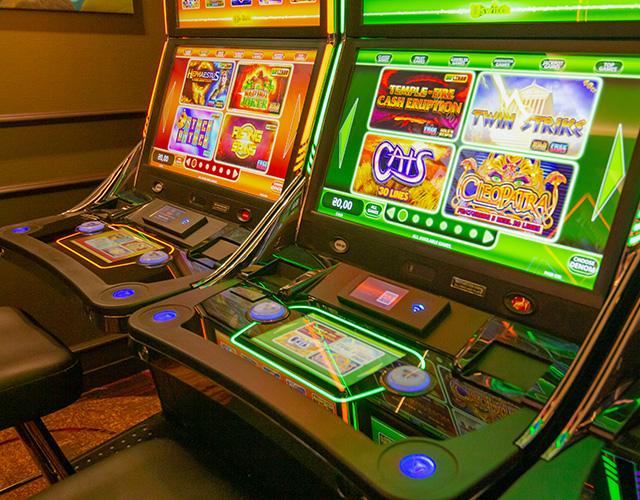
Moreover, social circles can greatly influence gambling behaviors. Friends or family members who gamble may create an environment that normalizes or even encourages the behavior. This can lead individuals to perceive gambling as an acceptable leisure activity rather than a risky venture. In such social contexts, the fear of missing out can push individuals to gamble, as they want to fit in with their peers and share in the excitement. This social reinforcement not only perpetuates gambling habits but also complicates efforts to address problem gambling within communities.
The increasing accessibility of online gambling platforms has further shifted social influences. People can now participate from the comfort of their homes, often without the same level of social scrutiny they might face in a physical gambling setting. This anonymity can lead to increased gambling frequency and intensity, making it easier for individuals to engage in compulsive behaviors without external oversight. Understanding these social influences and cultural contexts is essential for comprehending the varied motivations behind gambling and the experiences individuals have while participating.
Exploring the Impact of Gambling Websites
The rise of online gambling has revolutionized how people engage in this activity, providing unprecedented access to various games and betting opportunities. Gambling websites have capitalized on technological advancements to offer interactive experiences that keep players engaged. These platforms often feature elements like live dealer games and immersive graphics, enhancing the thrill of play. The convenience of 24/7 access also means that individuals can gamble whenever they desire, increasing the frequency of participation and potentially exacerbating problematic behaviors.
Moreover, many gambling websites utilize marketing strategies that appeal to psychological triggers. Promotions, bonuses, and loyalty programs are designed to attract and retain players by creating a sense of value and reward. This approach can psychologically bind players to the platform, encouraging them to gamble more often in pursuit of rewards. The gamification of gambling—where elements of gameplay are integrated into the betting process—further intensifies player engagement, sometimes leading to compulsive behaviors. This marketing savvy highlights the need for awareness regarding the psychological tactics employed by these sites.
As the landscape of gambling continues to evolve with technology, it becomes imperative to consider the implications for players. The accessibility of information regarding responsible gambling practices can help individuals make informed choices. By understanding the psychology behind their motivations to play, players can better navigate potential risks and establish healthier gambling habits. Overall, the influence of gambling websites is profound, shaping the landscape of modern gambling behavior and experiences, and necessitating a thoughtful approach to participation.